
Macro instead of micro: why the focus on vitamins falls short

1. macronutrients: the basis of every bodily function
Proteins, fats and carbohydrates form the foundation of our physical substance - far beyond the mere provision of energy. Proteins are the building material for muscles, skin, enzymes, neurotransmitters and immune cells. Fats are essential for cell membranes, hormones and the nervous system. Carbohydrates provide quick energy - especially for the brain and muscles. Micronutrients on the other hand, act as auxiliary molecules: important, but without substance build-up or energy output. If you want to be healthy, you need both - but in the right order.
2. what many self-care routines do wrong
In the wellness industry, the focus is often on vitamins and minerals - usually in beautifully designed packaging with big promises of salvation. What goes unnoticed is that without the right macronutrient base, the effect of many micronutrients fizzles out - or they even put unnecessary strain on the metabolism. A suboptimal protein supply cannot be compensated for by vitamin supplements.
Typical errors and recommendations:
-
„Vitamins give you energy“ → Wrong. Energy comes from calories - especially proteins, fats and carbohydrates
-
„I eat little, but take a lot of supplements“ → can even increase supply gaps
Better:-
Clarify macros first - especially protein intake
-
Then add specific microphones
-
Pay attention to quality & bioavailability
-
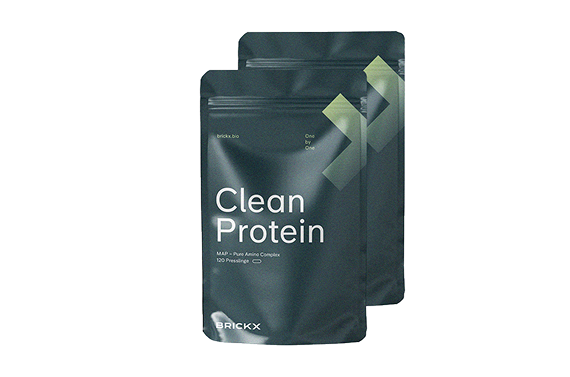
3. clean protein: more than just muscle building
The quality of the protein source determines its effect on the body. „Clean protein“ stands for highly available, easily digestible amino acids - preferably without additives, sugar or inferior carriers. This form of supply is particularly relevant when there is an increased requirement (e.g. due to stress, age, vegan diet) or low food intake. Amino acids not only have an effect on muscles, but also influence immune function, skin regeneration, hormone balance and concentration. In other words: If you eat protein in a clear and structured way, you will nourish your entire body.
4. the underestimated shortcomings of our time
Even with a good diet, certain nutrients can be lacking - especially in a modern, stressful lifestyle. The combination of industrially processed foods, environmental pollution and stress-related additional requirements leads to a number of typical deficiency symptoms:
Frequent deficits in western countries:
-
Vitamin D3: Lacking due to lack of sun and office routine
-
Vitamin B12: Particularly problematic with a vegan diet
-
Magnesium: is quickly depleted by stress, sport, caffeine
-
Amino acids: are often lacking in diets, loss of appetite or an unbalanced diet
These deficits do not immediately lead to illness - but in the long term to a drop in performance, weakness, low mood and increased susceptibility to inflammation or infections.
5. rethink supplementation
Many supplement routines work according to the watering can principle: as many active ingredients as possible, mixed as colorfully as possible. However, the body is not a well of wishes. Food supplements only become truly effective when they are thought of in structural terms - based on need, lifestyle and bioavailable quality. A reliable supply of macronutrients such as proteins creates the basis on which micronutrients can have a meaningful effect. The future lies in the targeted combination - with a focus on functionality rather than abundance.
A comprehensive Blood count and a discussion with a doctor or a specialized therapist provide clarity about individual deficits - and protect against aimless or unnecessary supplementation. Only when it is clear what is missing can targeted supplementation take place.
Conclusion
Vitamins and minerals are important - but without a clear supply of high-quality macronutrients, their effect is limited. Proteins in particular deserve more attention as part of a modern self-care routine. They are not a trendy food, but biologically essential - for regeneration, the immune system and mental performance. Anyone who takes supplementation seriously starts with the basics: with a structured look at what the body really needs on a daily basis.
-
German Nutrition Society (DGE): Reference values for protein and micronutrients, www.dge.de
-
FAO/WHO: Protein and Amino Acid Requirements in Human Nutrition (2007)
-
Strunz, U. (2005): The amino revolution. Heyne publishing house
-
Hoffer, L. J. (2016): “Clinical nutrition: 2. protein and energy requirements in the ICU”, CMAJ.
-
EFSA Journal: Scientific Opinion on Dietary Reference Values for protein
-
Hayman, M. et al (2020): Micronutrient deficiencies and modern diet, Nutrients Journal